Winter can be a challenging time for older adults, especially when colder temperatures, shorter days, and severe weather limit daily routines and social interaction. Recent winter storms across the United States have highlighted how quickly seniors can become isolated, stressed, or emotionally vulnerable when normal activities are disrupted. Understanding the impact of winter on senior mental health is essential for families and caregivers who want to support aging loved ones during this season.
How Winter Affects Senior Mental Health
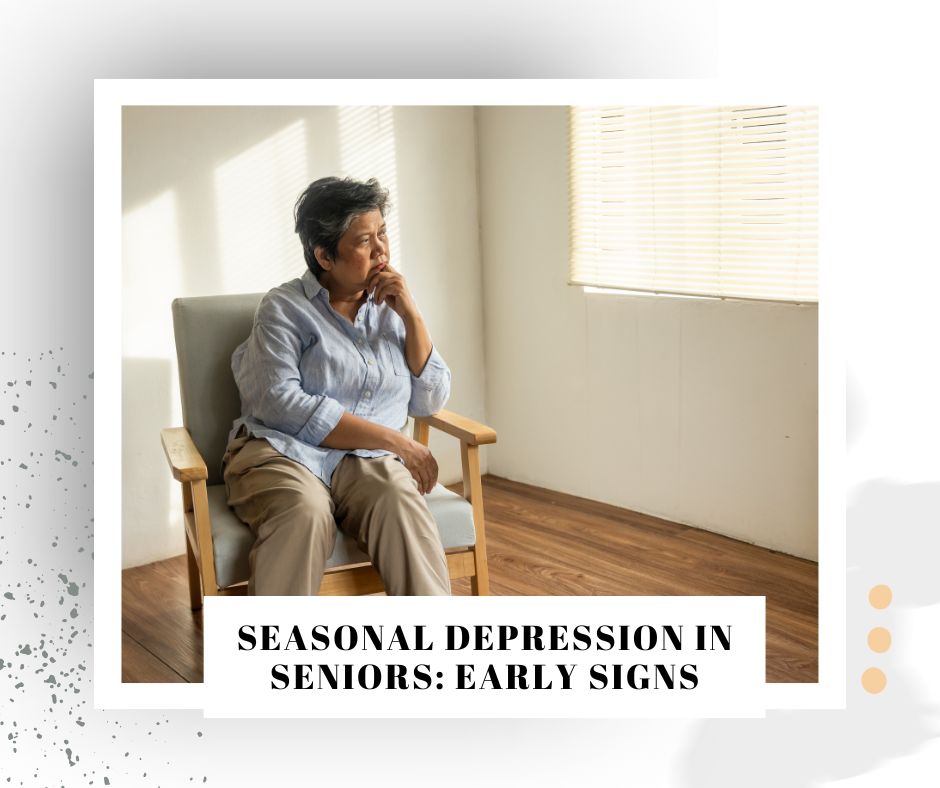
As daylight hours decrease, many seniors experience changes in mood and energy. Reduced sunlight can affect serotonin and melatonin levels, which play a role in regulating mood and sleep. This shift can contribute to seasonal depression, fatigue, and sleep disturbances.
Winter storms add another layer of difficulty. Snow, ice, power outages, and travel disruptions can prevent seniors from leaving their homes or receiving regular visits. For older adults living alone or managing chronic health conditions, these disruptions can increase anxiety, loneliness, and feelings of helplessness.
The Emotional Impact of Winter Storms
Recent winter storms across the U.S. have shown how vulnerable older adults can be during extreme weather events. Seniors may worry about access to medications, medical appointments, food, or emergency services. Even brief periods of isolation can negatively affect emotional well-being, especially for those already coping with depression, cognitive decline, or mobility limitations.
Uncertainty during storms can also heighten stress and fear, particularly for seniors who have experienced past emergencies or health crises. These emotional responses should not be overlooked or dismissed as temporary.
Signs of Winter-Related Mental Health Concerns
Families should watch for changes that may indicate declining mental health during the winter months. These can include withdrawal from social interaction, changes in sleep or appetite, increased irritability, confusion, or a loss of interest in activities that were once enjoyable.
Seniors may also express worry about weather conditions, safety, or being a burden to others. Early recognition of these signs allows families to provide support before symptoms worsen.
Ways to Support Senior Mental Health During Winter
Maintaining connection is one of the most effective ways to support emotional health. Regular phone calls, video chats, or in-person visits help reduce feelings of isolation, especially after severe weather events.
Encouraging a consistent daily routine can also provide stability. Regular meal times, medication schedules, light exercise, and engaging activities help seniors feel grounded. When weather allows, safe exposure to natural light can improve mood and energy levels.
Preparing for winter storms in advance can also ease anxiety. Ensuring seniors have emergency supplies, backup medications, and a clear communication plan can provide reassurance and a sense of control.
When Professional Support Is Needed
If symptoms of depression, anxiety, or emotional withdrawal persist beyond a short period, professional support may be necessary. Mental health concerns in seniors are often underdiagnosed, particularly during winter when symptoms may be attributed to seasonal changes.
A geriatric care manager can assess emotional well-being, coordinate care with healthcare providers, and connect families with appropriate mental health resources. Professional guidance ensures that seniors receive comprehensive support tailored to their unique needs.
How CJ & Associates Care Consulting Can Help
CJ & Associates Care Consulting supports seniors and families through seasonal challenges, including the emotional impact of winter and extreme weather events. Our certified geriatric care managers provide personalized assessments, ongoing care coordination, and emotional support to help older adults stay safe, connected, and emotionally healthy throughout the winter months.