As parents and loved ones age, families are often faced with a difficult question: how do you respect independence while ensuring safety? For seniors, maintaining independence is deeply tied to dignity, identity, and quality of life. For families, safety concerns can create stress, fear, and uncertainty. Finding the right balance between the two is one of the most important parts of aging care planning.
With the right approach, it is possible to support both independence and safety without sacrificing either.
Why Independence Matters So Much
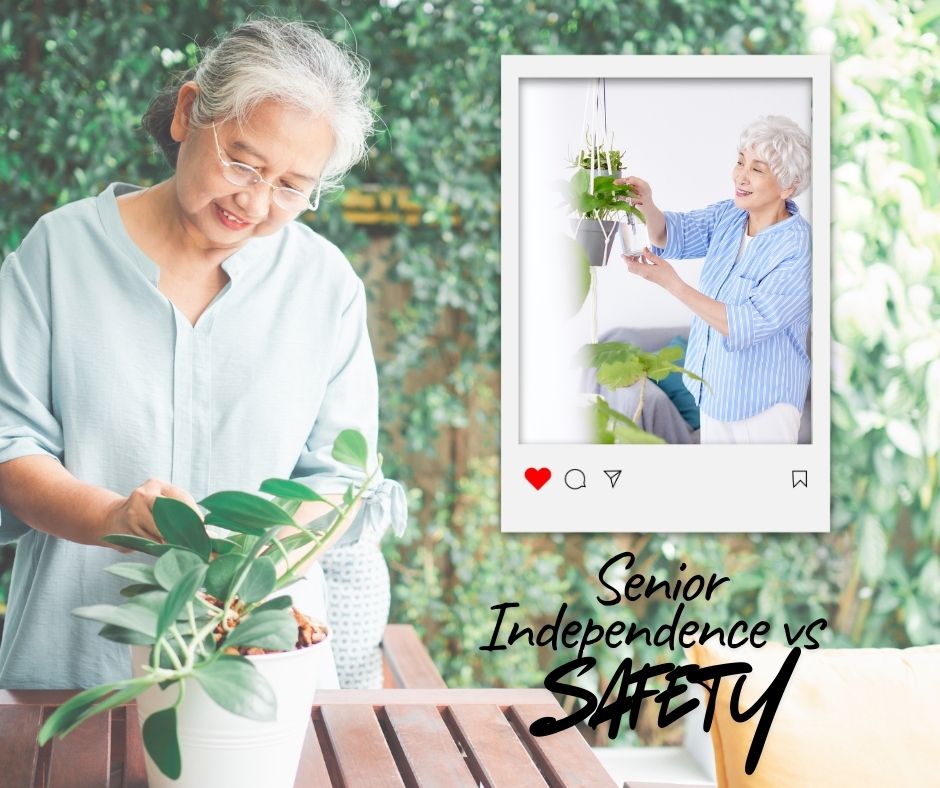
Independence gives seniors a sense of control over their lives. Being able to make decisions, maintain routines, and live in familiar surroundings contributes to emotional well-being and confidence.
When independence is taken away too quickly, it can lead to frustration, depression, and resistance to help. That’s why it’s important to approach care decisions thoughtfully and avoid making sudden or unnecessary changes.
Understanding the Real Safety Risks
As people age, certain risks naturally increase. Changes in balance, mobility, memory, and overall health can affect a senior’s ability to safely manage daily tasks.
Common concerns include falls, medication mistakes, difficulty driving, missed appointments, and challenges with cooking or household tasks. These risks don’t always mean a senior can’t live independently—but they do signal the need for closer attention and support.
Recognizing When Support Is Needed
Families should watch for signs that safety may be compromised. These can include frequent falls or near-misses, confusion, missed medications, poor hygiene, or a noticeable decline in the condition of the home.
Subtle changes often appear first. Catching these early allows families to make adjustments before a serious incident occurs.
Ways to Support Independence Safely
Balancing independence and safety doesn’t require drastic changes. Often, small adjustments can make a significant impact.
Home modifications such as better lighting, grab bars, and removing tripping hazards can reduce risk. Technology like medical alert systems and medication reminders can provide an added layer of safety without limiting freedom.
Support services, including transportation assistance, meal delivery, or part-time in-home care, allow seniors to continue living independently while receiving help where needed.
The Importance of Open Communication
Conversations about safety can be sensitive. Many seniors fear losing control or being forced into decisions they don’t want. That’s why communication should focus on partnership rather than authority.
Discuss shared goals such as staying at home longer, avoiding hospitalizations, and maintaining quality of life. Listening to concerns and involving seniors in decision-making leads to better outcomes and less resistance.
When Professional Guidance Makes a Difference
Families don’t have to navigate these decisions alone. A geriatric care manager can provide an objective assessment of both safety risks and functional abilities.
Professional guidance helps identify the right level of support, coordinate services, and create a care plan that evolves over time. This reduces family conflict and ensures decisions are based on expert insight.
How CJ & Associates Care Consulting Can Help
CJ & Associates Care Consulting helps families find the right balance between independence and safety. Our certified geriatric care managers provide personalized assessments, care planning, and ongoing support to ensure seniors remain safe while preserving their dignity and autonomy.