As parents age, families often notice changes that can be confusing, emotional, and sometimes concerning. These changes may happen gradually or appear suddenly, leaving adult children wondering what is normal, what requires attention, and how best to respond. Understanding the physical, cognitive, and emotional changes that come with aging helps families provide support with patience, clarity, and compassion.
Recognizing these shifts early allows families to plan proactively rather than react during a crisis.
Physical Changes That Come With Aging
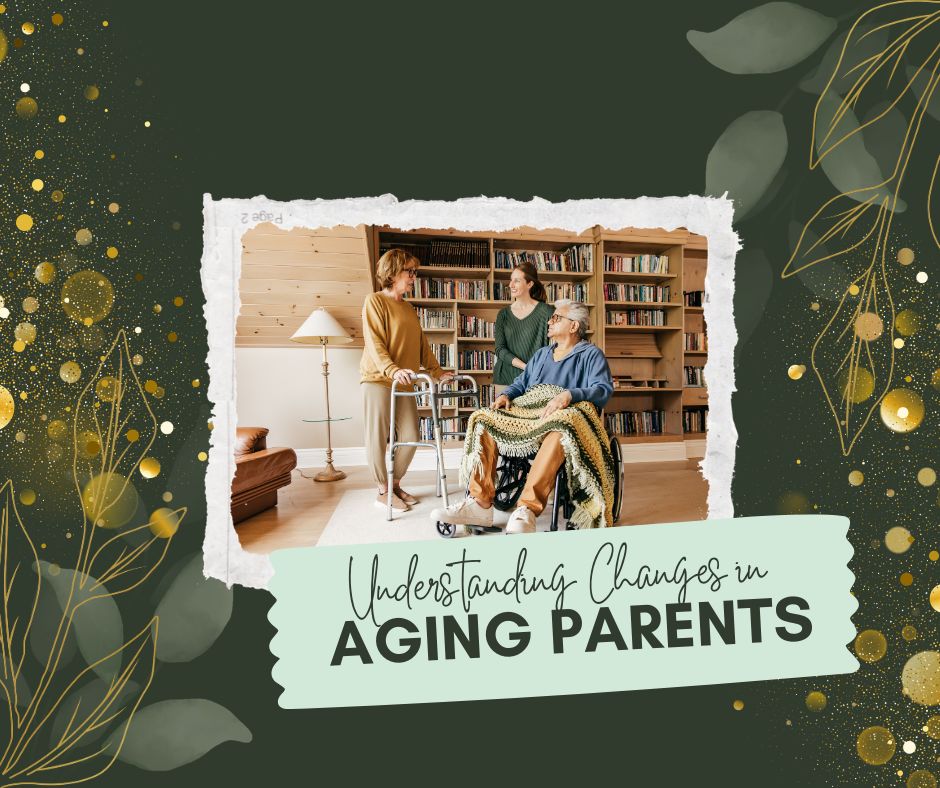
Physical changes are often the most noticeable. Aging parents may move more slowly, tire more easily, or struggle with balance and coordination. Vision and hearing changes are also common and can affect safety, communication, and independence.
Chronic conditions such as arthritis, heart disease, diabetes, or respiratory issues may worsen with age, impacting daily activities. These changes do not always mean a loss of independence, but they may require adjustments to routines, environments, or levels of support.
Cognitive Changes and Memory Concerns
Some degree of forgetfulness is a normal part of aging, such as misplacing items or needing more time to recall names. However, more significant memory issues, confusion, or difficulty following conversations may signal a deeper concern.
Families should pay attention to patterns rather than isolated incidents. Repeated missed appointments, medication errors, difficulty managing finances, or getting lost in familiar places may indicate cognitive decline and should be evaluated by a professional.
Emotional and Behavioral Changes
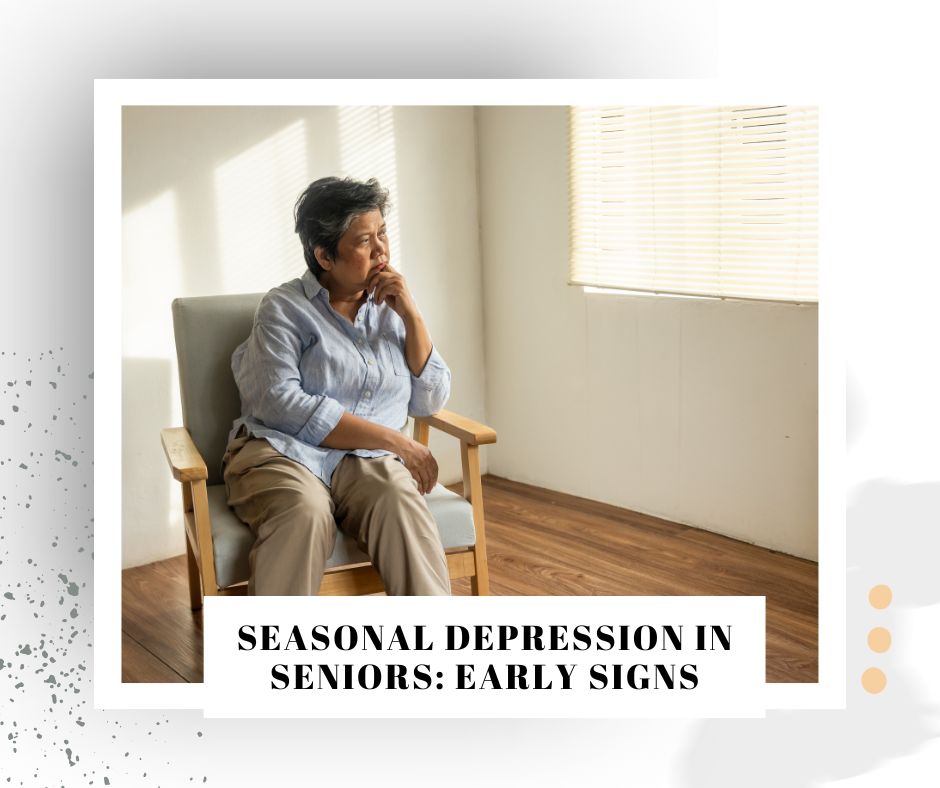
Aging parents may also experience emotional changes. Retirement, health challenges, loss of loved ones, or reduced independence can affect mood and outlook. Seniors may become more anxious, withdrawn, irritable, or sad, particularly during periods of transition.
These emotional shifts are sometimes dismissed as normal aging, but persistent changes can indicate depression, anxiety, or emotional distress that deserves attention and support.
Changes in Daily Functioning
Difficulty with everyday tasks is often one of the clearest signs that additional support may be needed. This can include challenges with cooking, housekeeping, transportation, personal hygiene, or managing medications.
Families may notice that their parent’s home environment is less organized, meals are skipped, or bills go unpaid. These functional changes can affect safety and quality of life and should be addressed early.
Why These Changes Can Be Hard for Families
Watching a parent change can be emotionally difficult. Adult children may feel sadness, worry, frustration, or guilt. Parents may resist help out of fear of losing independence or control.
Understanding that these reactions are common helps families approach conversations with empathy rather than urgency or conflict. Aging is not a failure; it is a natural life stage that benefits from thoughtful support.
How to Respond With Support and Respect
Open communication is essential. Conversations should focus on shared goals such as safety, comfort, and quality of life rather than loss of independence. Involving aging parents in decisions helps preserve dignity and encourages cooperation.
Small, supportive changes often make a big difference. This may include simplifying routines, arranging transportation, improving home safety, or adding professional support when needed.
When Professional Guidance Is Helpful
When changes feel overwhelming or unclear, professional support can provide direction. A geriatric care manager can assess physical, cognitive, and emotional needs, identify risks, and help families understand what level of care is appropriate.
Professional guidance removes guesswork and reduces family conflict by offering objective recommendations based on expertise and experience.
How CJ & Associates Care Consulting Can Help
CJ & Associates Care Consulting helps families understand and navigate the changes that come with aging. Our certified geriatric care managers provide comprehensive assessments, care coordination, and ongoing support to help aging parents remain safe, supported, and respected as their needs evolve.