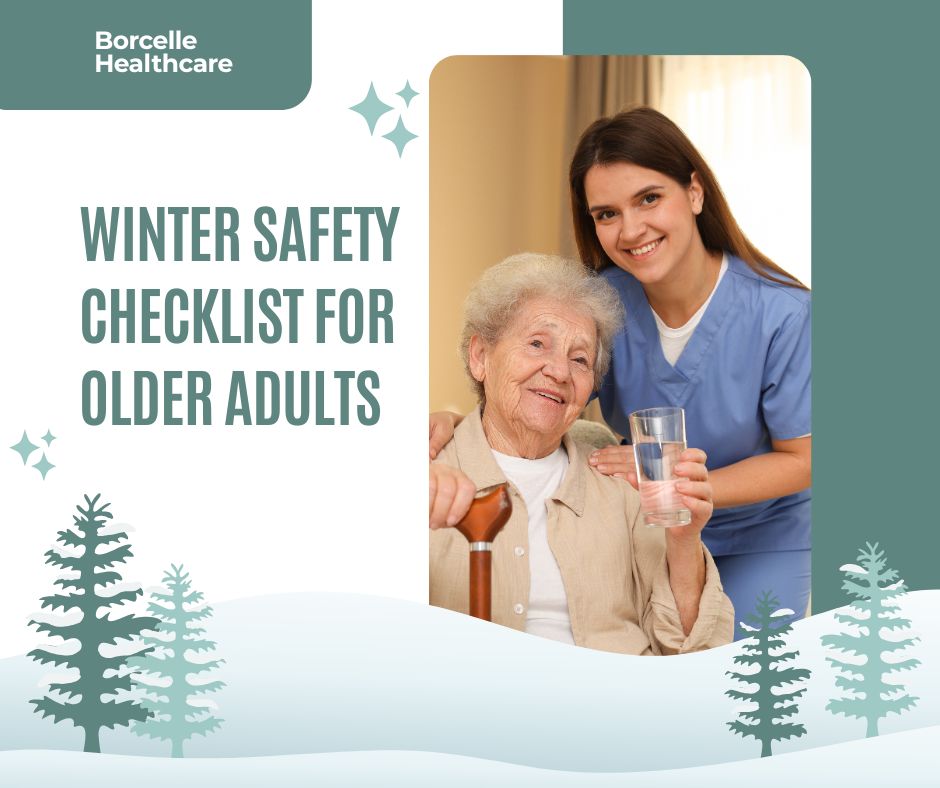
Winter brings colder temperatures, shorter days, and increased safety risks for older adults. From slippery sidewalks to heating hazards and seasonal illness, the winter months can be especially challenging for seniors. Taking proactive steps now can help prevent injuries, protect health, and provide peace of mind for families and caregivers. This winter safety checklist is designed to help older adults stay safe, comfortable, and healthy throughout the season.
Prevent Slips, Trips, and Falls
Falls are one of the leading causes of injury among older adults, and winter conditions greatly increase that risk. Ice, snow, and wet surfaces make both indoor and outdoor environments more hazardous.
Make sure walkways, porches, and driveways are kept clear of snow and ice. Use salt or non-slip mats in high-risk areas. Inside the home, remove loose rugs, secure electrical cords, and ensure floors are dry. Encourage seniors to wear supportive, non-slip shoes rather than socks or smooth-soled footwear. Adequate lighting is also critical, especially near stairways and entry points.
Maintain Proper Home Heating Safety
Cold temperatures increase the risk of hypothermia and heating-related accidents. Homes should be kept at a safe, consistent temperature, typically at least 68 degrees Fahrenheit.
Have heating systems serviced before winter begins. Avoid using space heaters without proper safety precautions, and never place them near flammable materials. Test smoke detectors and carbon monoxide detectors regularly and replace batteries as needed. Carbon monoxide exposure is especially dangerous for seniors and often goes undetected without proper alarms.
Protect Against Cold-Related Illness
Older adults are more vulnerable to cold-related conditions such as hypothermia and frostbite. Encourage seniors to dress in warm layers, including hats, gloves, and insulated footwear when outdoors. Even indoor temperatures that feel mildly cool to others can affect aging bodies more severely.
Limit time outside during extreme cold, especially for those with heart conditions, poor circulation, or respiratory disease. If a senior must go outdoors, keep outings brief and supervised when possible.
Stay on Top of Winter Health Needs
Cold weather often brings an increase in respiratory illnesses such as the flu and pneumonia. Seniors should stay current on recommended vaccinations, including the flu shot and pneumonia vaccines as advised by their physician.
Encourage frequent hand washing, proper hydration, and balanced nutrition to support immune health. Dry winter air can also worsen respiratory conditions and skin health, so using humidifiers and applying moisturizer regularly can help.
Create an Emergency Preparedness Plan
Power outages, severe storms, and limited access to services are all possibilities during winter. Every senior household should have a winter emergency plan in place.
Keep extra food, bottled water, medications, batteries, flashlights, blankets, and backup medical supplies available. Seniors should have a list of emergency contacts easily accessible, including family members, healthcare providers, and a geriatric care manager if one is involved. A charged cell phone or landline should always be available in case of emergency.
Support Safe Mobility Indoors and Outdoors
Winter weather often limits outdoor activity, but remaining active is still essential for physical and mental health. Encourage light indoor exercises, stretching, and movement to help maintain strength and balance.
When venturing outdoors, seniors should use assistive devices such as canes or walkers if prescribed. Railings on steps and entryways should be securely installed and well-maintained. Transportation arrangements should be made in advance so seniors are not forced to walk on icy or unsafe surfaces.
Monitor Emotional Well-Being
Shorter days and less social interaction can affect mental health during the winter months. Seasonal depression, loneliness, and anxiety are common among older adults during this time of year.
Families and caregivers should watch for changes in mood, appetite, sleep patterns, or social withdrawal. Regular communication, scheduled visits, and meaningful engagement can help seniors stay emotionally connected and supported throughout the season.
Know When Extra Support Is Needed
As winter brings additional safety risks, some seniors may need more oversight than usual. A professional geriatric care manager can assess home safety, coordinate medical care, monitor health changes, and provide ongoing support to both seniors and their families. Having expert guidance in place before emergencies arise can make all the difference.
How CJ & Associates Care Consulting Can Help
CJ & Associates Care Consulting provides comprehensive geriatric care management services to help older adults stay safe, healthy, and comfortable year-round. From home safety assessments and care planning to emotional support and medical coordination, our certified geriatric care managers are available to guide families through every season with confidence.
📞 Call 310-413-1277
📧 Email info@cjcareconsulting.com
🕓 Certified Geriatric Case Manager available 24/7
🌐 www.cjcareconsulting.com