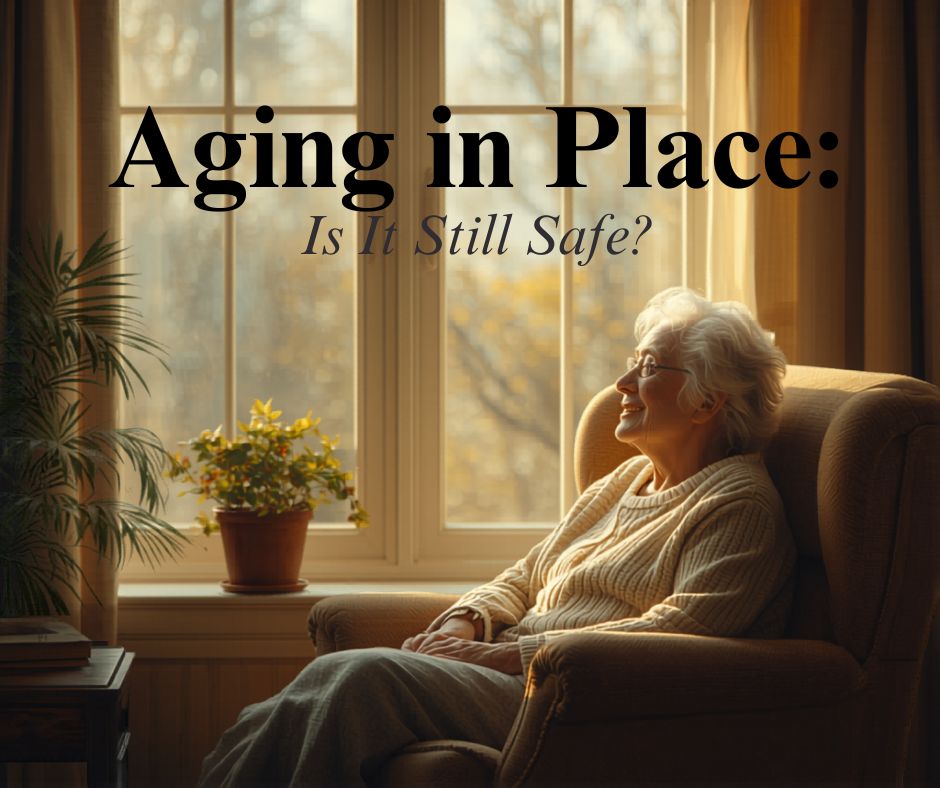
For many older adults, aging in place means comfort, familiarity, and independence. Staying in a beloved home can provide emotional security and a strong sense of control. But as needs change, families often begin asking an important question: Is aging in place still safe?
Understanding when a home remains appropriate — and when additional support is needed — is essential for protecting both safety and quality of life.
What Does Aging in Place Mean?
Aging in place refers to an older adult’s ability to live in their own home safely and independently as they grow older, rather than moving to assisted living or a care facility.
While the goal is independence, aging in place should never come at the expense of safety, health, or well-being.
Signs Aging in Place May No Longer Be Safe
It can be difficult for families to recognize when staying at home is becoming risky. Warning signs may include:
- Frequent falls or mobility issues
- Missed medications or medication errors
- Unpaid bills or financial confusion
- Noticeable weight loss or poor nutrition
- Memory problems that affect daily functioning
- Increased isolation or withdrawal
- Difficulty with bathing, dressing, or housekeeping
If these concerns are becoming more common, it may be time to reassess the living situation.
Home Safety Risks for Seniors
Even familiar homes can become hazardous over time. Common risks include:
- Stairs without proper railings
- Slippery bathroom surfaces
- Poor lighting
- Cluttered walkways
- Lack of emergency response systems
Chronic medical conditions, balance issues, or cognitive decline can make these environmental hazards more dangerous.
Can Aging in Place Be Made Safer?
In many cases, yes. Safety improvements can significantly extend the ability to remain at home. These may include:
- Installing grab bars and handrails
- Improving lighting
- Removing trip hazards
- Adding medical alert systems
- Hiring in-home caregivers
- Scheduling regular wellness check-ins
The key is proactive planning rather than waiting for a crisis.
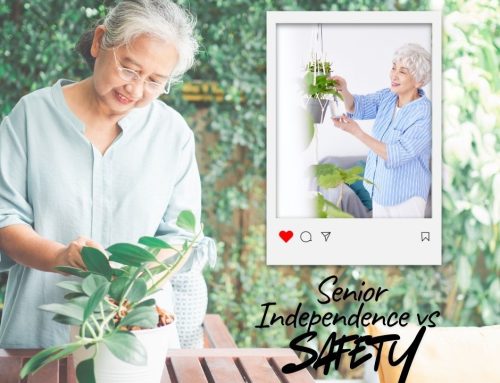
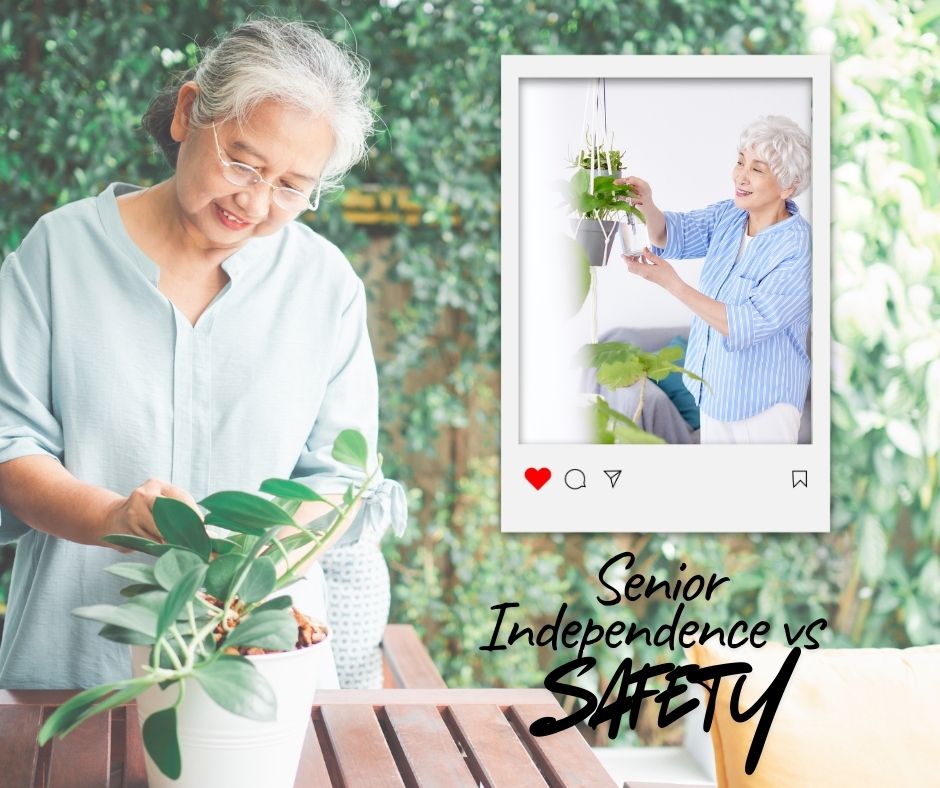
Balancing Independence and Safety
One of the biggest challenges families face is balancing a parent’s desire for independence with legitimate safety concerns. Many seniors fear losing control or being forced into unwanted changes.
Open, respectful conversations focused on shared goals — such as staying healthy and avoiding hospitalization — are often more productive than conversations centered on limitations.
When Professional Guidance Is Needed
Sometimes families are too close to the situation to assess it objectively. A comprehensive geriatric assessment can evaluate physical health, cognitive status, home safety, and daily functioning.
A geriatric care manager provides an expert, unbiased evaluation and helps create a practical plan — whether that means home modifications, in-home support, or exploring alternative living options.
How CJ & Associates Care Consulting Can Help
CJ & Associates Care Consulting helps families determine whether aging in place is still safe and sustainable. Our certified geriatric care managers conduct thorough assessments, coordinate care services, and guide families through difficult decisions with clarity and compassion.
If you’re questioning whether your loved one is truly safe at home, you don’t have to navigate it alone.
📞 Call 310-413-1277
📧 Email info@cjcareconsulting.com
🕓 Certified Geriatric Case Manager available 24/7
🌐 www.cjcareconsulting.com