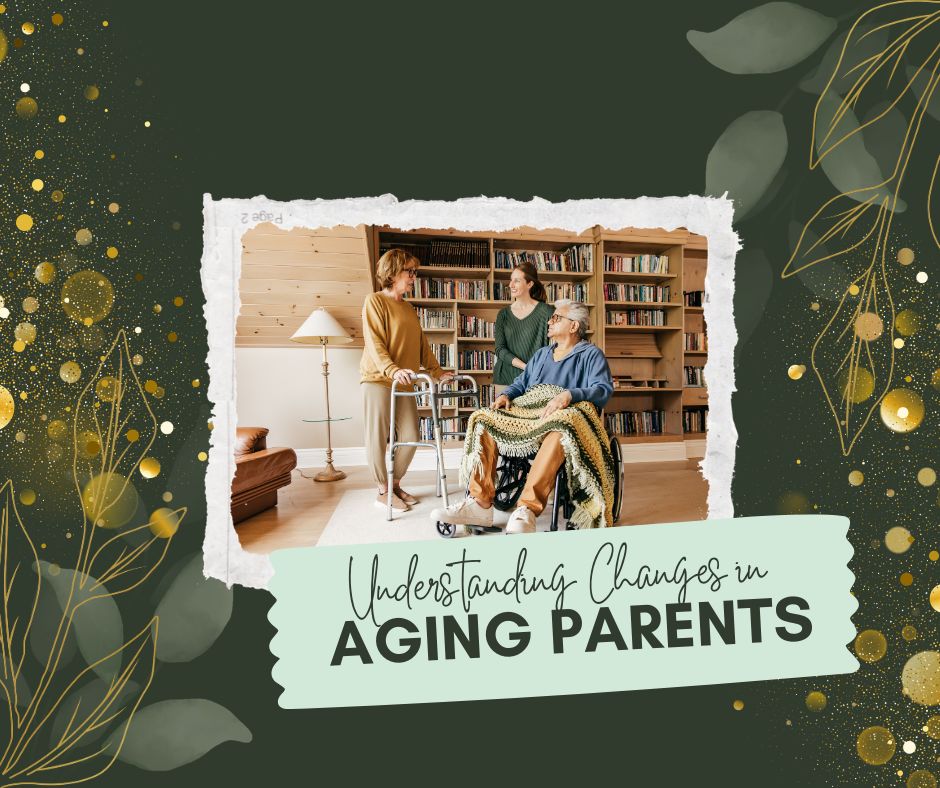
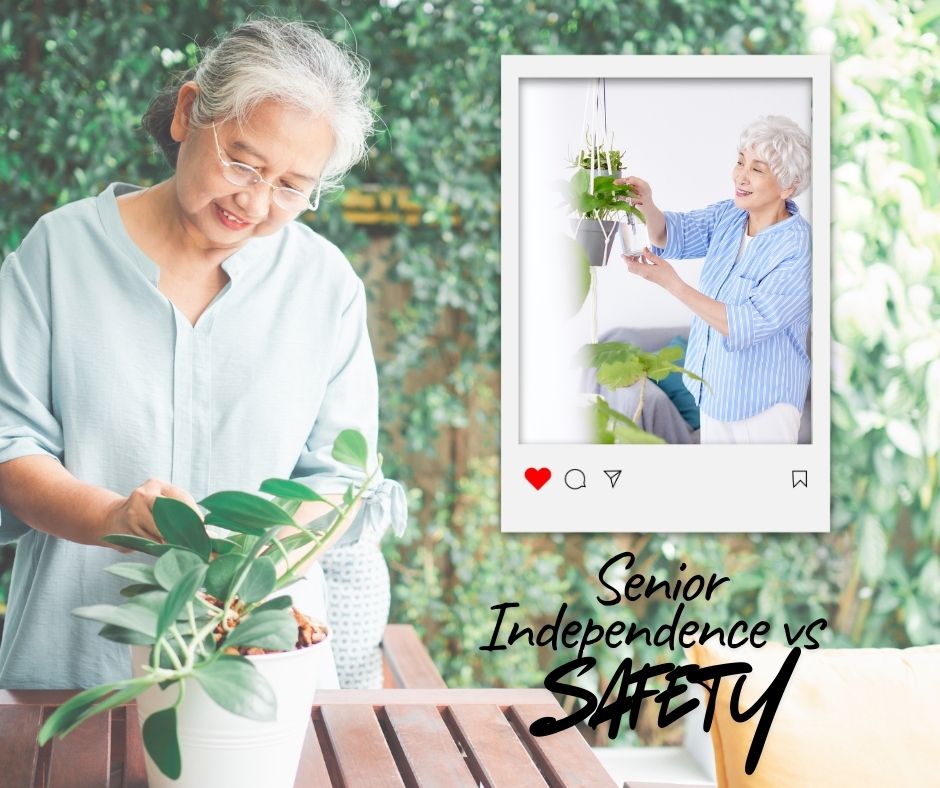
One of the most common challenges families face as loved ones age is finding the right balance between independence and safety. Older adults often value their independence deeply, while families may worry about health risks, falls, or medical emergencies. Navigating this balance requires open communication, thoughtful planning, and a realistic understanding of changing needs.
When handled with care, it is possible to protect a senior’s well-being while still honoring their autonomy and dignity.
Why Independence Matters to Seniors
Independence is closely tied to identity, confidence, and quality of life. For many seniors, maintaining control over daily routines, decisions, and living arrangements provides a sense of purpose and self-worth.
Losing independence too quickly can lead to frustration, depression, or resistance to help. That is why it is important for families to approach safety concerns with empathy and respect rather than fear or urgency.
Understanding Safety Risks as We Age
Aging brings natural changes that can affect safety, including decreased mobility, balance issues, vision or hearing loss, memory changes, and chronic health conditions. These changes do not automatically mean a senior is unsafe, but they do increase the likelihood of accidents or medical complications.
Common safety concerns include falls, medication mismanagement, driving risks, missed medical appointments, and difficulty responding to emergencies. Recognizing these risks early allows families to plan without waiting for a crisis.
Signs the Balance May Need Adjustment
Families should watch for subtle signs that independence may be compromising safety. These can include unexplained bruises or falls, missed medications, difficulty managing household tasks, confusion, poor nutrition, or withdrawal from usual activities.
These signs do not mean independence should be taken away. Instead, they signal that additional support or adjustments may be needed to keep the senior safe.
Supporting Independence While Improving Safety
Balancing independence and safety often involves small, thoughtful changes rather than major life disruptions. Home safety modifications such as grab bars, improved lighting, and removing tripping hazards can significantly reduce risk without limiting freedom.
Technology can also support independence. Medical alert systems, medication reminders, and transportation services allow seniors to remain active while providing peace of mind for families.
Encouraging seniors to participate in decision-making helps them feel respected and more open to support. When seniors understand that safety measures are designed to protect their independence rather than restrict it, they are more likely to accept help.
The Role of Family Communication
Open, honest conversations are essential. Avoid framing discussions around fear or loss. Instead, focus on shared goals like staying healthy, living at home longer, and maintaining quality of life.
Listening to a senior’s concerns and preferences builds trust and leads to better outcomes. Care decisions should feel collaborative, not imposed.
When Professional Guidance Is Helpful
As care needs become more complex, families may struggle to assess risks objectively. A geriatric care manager provides a neutral, professional perspective, evaluating both safety and independence concerns.
Care managers help families identify appropriate support levels, coordinate services, and adjust care plans over time. This guidance reduces conflict and ensures decisions are based on expert assessment rather than emotion alone.
How CJ & Associates Care Consulting Can Help
CJ & Associates Care Consulting helps families navigate the delicate balance between senior independence and safety. Our certified geriatric care managers assess individual needs, recommend practical solutions, and create care plans that respect autonomy while prioritizing well-being.
📞 Call 310-413-1277
📧 Email info@cjcareconsulting.com
🕓 Certified Geriatric Case Manager available 24/7
🌐 www.cjcareconsulting.com