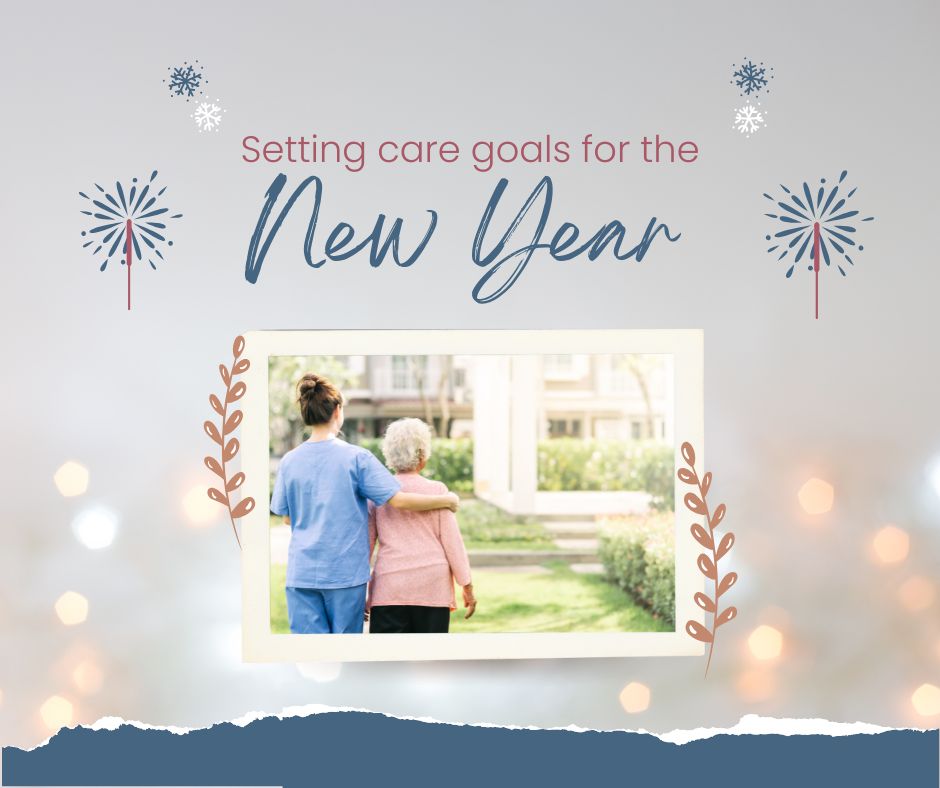
A new year brings a natural opportunity to reflect, reset, and plan ahead. For families supporting aging loved ones, setting clear and realistic care goals can make a meaningful difference in health, safety, and overall quality of life. Rather than reacting to crises as they arise, proactive care planning allows seniors and families to feel prepared, supported, and confident as the year unfolds.
Why Care Goals Matter for Older Adults
Care goals provide direction and clarity for both seniors and caregivers. Aging often involves gradual changes in physical health, cognitive abilities, and emotional well-being. Without a clear plan, families may find themselves overwhelmed by unexpected medical events or difficult decisions.
Establishing care goals helps prioritize what matters most, whether that is maintaining independence, improving health outcomes, or enhancing daily comfort. These goals also guide healthcare providers and care managers in creating coordinated and personalized care plans.
Start with a Comprehensive Assessment
Effective goal setting begins with understanding the current situation. Families should take time to review their loved one’s physical health, mental health, mobility, medications, living environment, and support system.
A professional geriatric care assessment can identify risks, unmet needs, and opportunities for improvement. This assessment provides a clear foundation for setting realistic and achievable care goals that reflect both medical needs and personal preferences.
Focus on Health and Wellness Goals
Health-related goals often form the core of a senior care plan. These may include managing chronic conditions, improving nutrition, increasing physical activity, or addressing mental health concerns such as anxiety or depression.
Encouraging regular medical checkups, medication reviews, and preventive screenings can reduce health complications throughout the year. Small, measurable goals like daily walks, balanced meals, or improved sleep routines can lead to meaningful long-term improvements.
Prioritize Safety and Independence
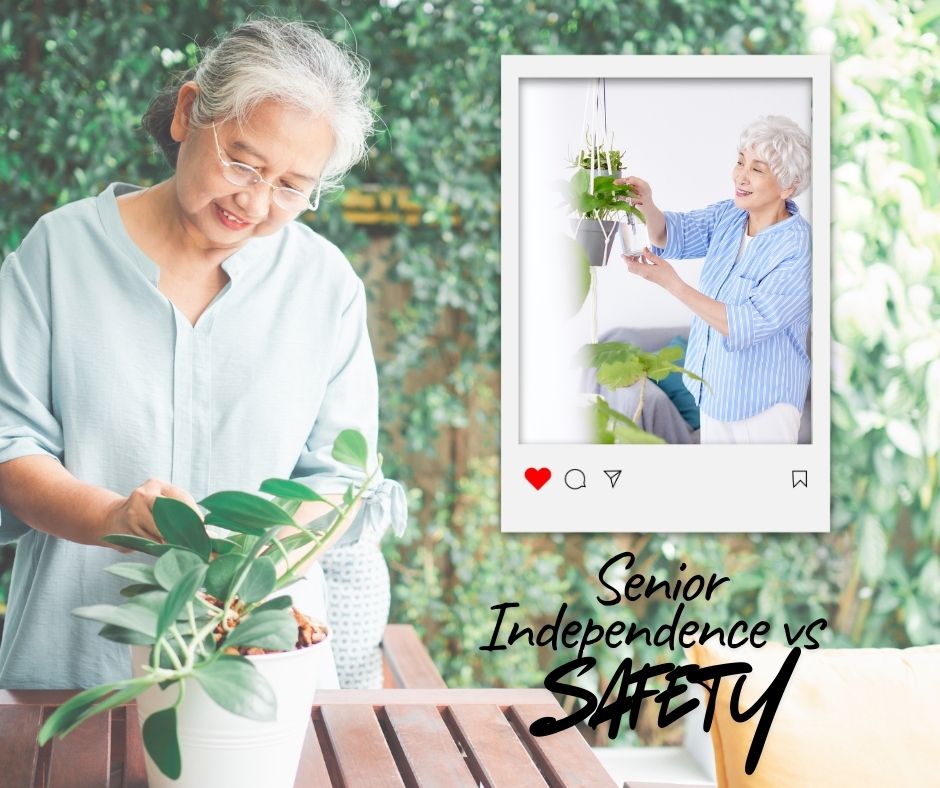
For many older adults, remaining independent is a top priority. Care goals should balance independence with safety, especially as physical or cognitive changes occur.
Goals may include making home safety modifications, reducing fall risks, arranging reliable transportation, or introducing assistive devices when needed. These proactive steps help seniors continue living comfortably while minimizing the risk of injury or emergencies.
Address Emotional and Social Well-Being
Emotional health is just as important as physical health. Loneliness, grief, and isolation can have a significant impact on older adults, particularly during seasonal changes or life transitions.
Care goals may focus on increasing social engagement, strengthening family connections, or participating in meaningful activities. Regular visits, community involvement, and structured routines can help seniors feel connected, valued, and emotionally supported.
Plan for Future Care Needs
The new year is an ideal time to think ahead. Planning for future care needs does not mean giving up independence; it means being prepared.
Families should discuss preferences related to healthcare decisions, living arrangements, and long-term care options. Reviewing legal and financial documents such as advance directives and powers of attorney ensures that everyone is aligned and reduces stress during emergencies.
Support Family Caregivers
Care goals should include support for family caregivers as well. Caregiving is demanding, and burnout can affect the quality of care and family relationships.
Setting goals around respite care, shared responsibilities, and professional support helps caregivers maintain their own health and well-being. When caregivers are supported, seniors receive better care.
How a Geriatric Care Manager Can Help
A geriatric care manager plays a vital role in turning care goals into actionable plans. They coordinate medical care, monitor changes, advocate for the senior’s needs, and adjust care plans as circumstances evolve. Their expertise helps families stay organized and proactive throughout the year.
How CJ & Associates Care Consulting Can Help
CJ & Associates Care Consulting partners with families to create thoughtful, personalized care plans that evolve with changing needs. Our certified geriatric care managers provide assessments, ongoing care management, and guidance to help older adults thrive in the new year and beyond.
📞 Call 310-413-1277
📧 Email info@cjcareconsulting.com
🕓 Certified Geriatric Case Manager available 24/7
🌐 www.cjcareconsulting.com