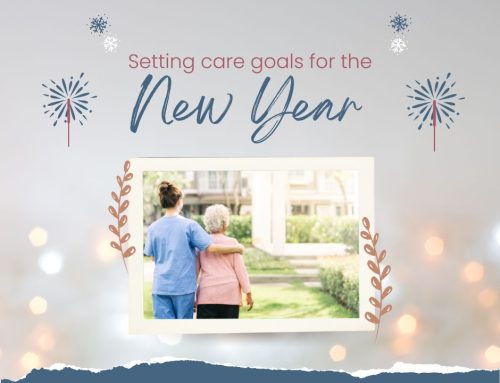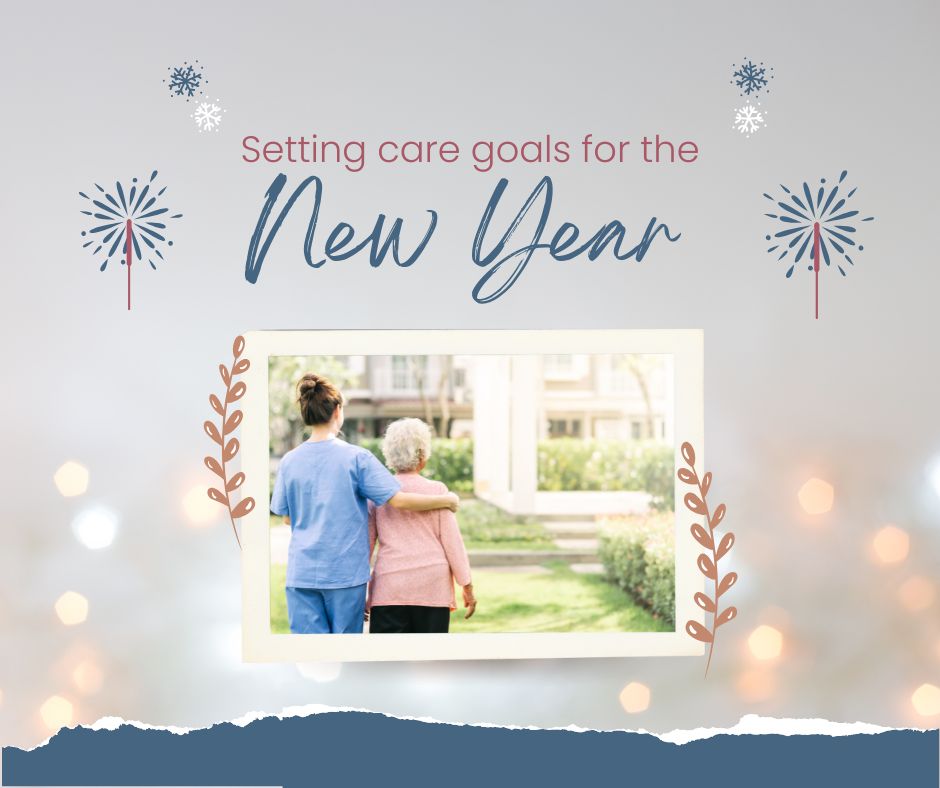
The holiday season often brings joy, connection, and busy schedules, but once the celebrations end, many older adults experience a noticeable shift. Quiet homes, fewer visitors, and the return to routine can lead to feelings of loneliness, fatigue, or emotional letdown. January is a critical time for families to refocus on support, stability, and well-being for aging loved ones.
Understanding how to support seniors after the holidays can help prevent emotional decline, health setbacks, and caregiver stress while setting a positive tone for the year ahead.
Why the Post-Holiday Period Can Be Difficult for Seniors
During the holidays, seniors may enjoy increased social interaction, family visits, and changes to daily routines. When that stimulation suddenly stops, it can feel like a loss. For older adults already dealing with limited mobility, chronic illness, or cognitive changes, this transition can be especially challenging.
Shorter days, colder weather, and reduced outdoor activity can also affect mood and energy levels. Seasonal depression, loneliness, and anxiety are more common during the winter months, making January a key time to monitor emotional and mental health.
Watch for Emotional and Behavioral Changes
After the holidays, families should pay close attention to changes in mood or behavior. Warning signs may include withdrawal from social interaction, changes in sleep or appetite, increased confusion, irritability, or expressions of sadness or hopelessness.
These symptoms are sometimes dismissed as normal aging, but they can signal depression or increased care needs. Early recognition allows families to take action before issues escalate.
Reestablish Routine and Structure
Routine plays a vital role in senior well-being. During the holidays, schedules often shift, meals vary, and sleep patterns change. Returning to familiar routines helps seniors regain a sense of stability and control.
Encourage consistent wake-up times, regular meals, medication schedules, and daily activities. Even small routines like morning walks, phone calls with family, or scheduled hobbies can provide comfort and purpose.
Encourage Social Connection
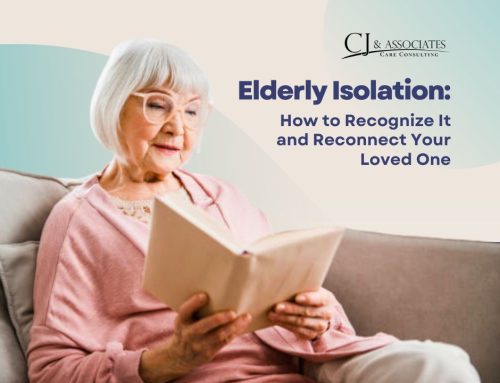
Social isolation is one of the biggest risks for seniors after the holidays. With fewer visits and events, many older adults feel alone. Regular communication can make a significant difference.
Schedule phone calls, video chats, or in-person visits when possible. Encourage participation in community programs, senior centers, or faith-based groups if appropriate. Meaningful connection helps protect emotional health and reduces feelings of loneliness.
Focus on Physical Health and Follow-Ups
January is an ideal time to refocus on health. Seniors may have delayed medical appointments during the holidays or experienced disruptions in medication routines.
Help your loved one schedule follow-up visits with healthcare providers, review medications, and address any lingering health concerns. Cold weather can also worsen chronic conditions such as arthritis, heart disease, or respiratory issues, making proactive care especially important.
Support Emotional Well-Being
Emotional health deserves the same attention as physical health. Encourage seniors to talk about how they’re feeling and validate their emotions. Grief, loneliness, or sadness after the holidays is common and should not be ignored.
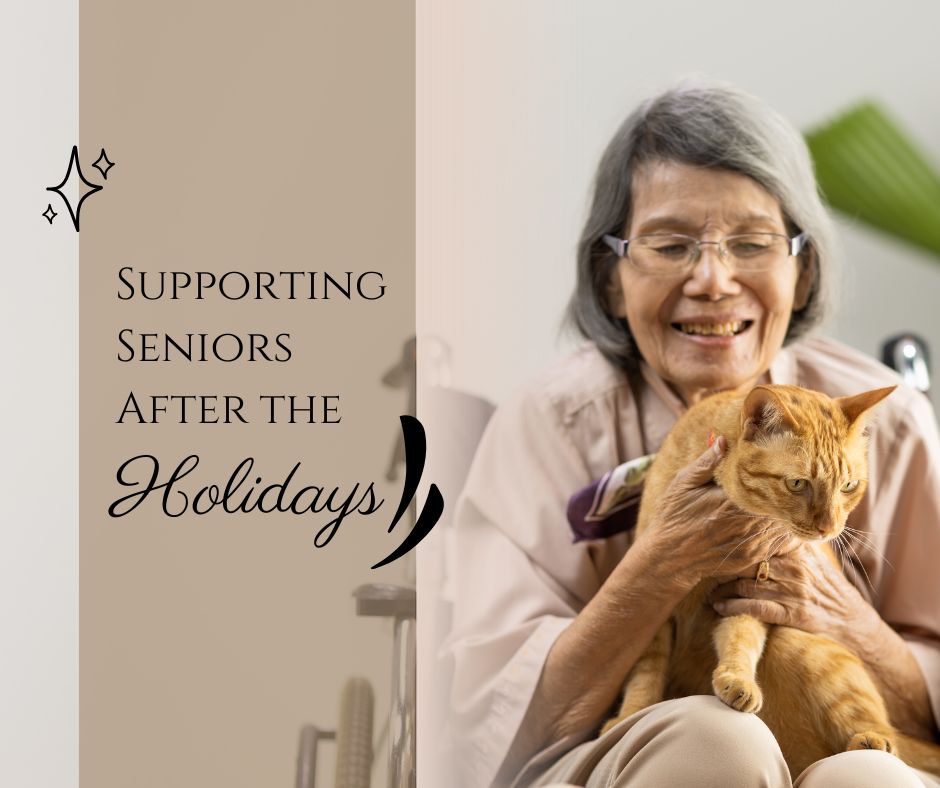
Simple activities like listening to music, engaging in creative hobbies, journaling, or spending time with pets can boost mood. In some cases, professional support may be helpful, especially if symptoms persist or worsen.
Check Home Safety and Daily Needs
With winter in full swing, January is a good time to reassess home safety. Ensure walkways are clear, heating systems are working properly, and fall risks are minimized. Seniors may be spending more time indoors, making safe and comfortable living spaces even more important.
Review daily needs such as transportation, meal preparation, and personal care. Small changes in ability can signal the need for additional support.
Know When Professional Support Can Help
If caring for an aging loved one feels overwhelming, professional guidance can provide relief and clarity. A geriatric care manager can assess needs, coordinate medical care, monitor emotional health, and adjust care plans as circumstances change.
Having expert support in place helps families move from reactive caregiving to proactive planning, reducing stress and improving outcomes for seniors.
How CJ & Associates Care Consulting Can Help
CJ & Associates Care Consulting supports seniors and families during life’s transitions, including the often-overlooked post-holiday period. Our certified geriatric care managers provide personalized assessments, care coordination, emotional support, and ongoing care management to help older adults thrive throughout the year.
📞 Call 310-413-1277
📧 Email info@cjcareconsulting.com
🕓 Certified Geriatric Case Manager available 24/7
🌐 www.cjcareconsulting.com